

What Is the Consumer Price Index and Why Does It Matter
A straightforward explanation of how CPI measures price changes across goods and services, and why it’s the primary inflation metric used by central banks and policymakers worldwide.
Read MoreLearn how these two inflation measures work differently and why both matter for understanding price movements in the economy
If you’ve ever wondered why inflation numbers seem confusing, you’re not alone. We’ve got two main measures floating around — the Consumer Price Index (CPI) and the Wholesale Price Index (WPI). They’re tracking different parts of the economy, and understanding the difference actually matters.
The thing is, these indices measure inflation at completely different stages. CPI looks at what everyday people pay at retail stores. WPI tracks prices at the wholesale level — before goods even reach your local shop. This distinction isn’t just academic; it affects everything from policy decisions to your own financial planning.
These two indices measure different points in the supply chain, which leads to significant differences in their values and movements
Measures: What consumers actually pay for goods and services at retail level
Basket includes: Food, clothing, housing, transportation, healthcare, education — basically everything in your monthly spending
Frequency: Released monthly by the government statistical office
Why it matters: This is what policymakers use to set interest rates and make inflation-fighting decisions. It’s also what affects your salary negotiations and investment returns.
Measures: Prices at which goods are sold in bulk before they reach retail stores
Basket includes: Raw materials, intermediate goods, and finished products traded between businesses
Frequency: Also released monthly, sometimes with a slightly different schedule than CPI
Why it matters: WPI is an early warning system. If wholesale prices rise sharply, retail prices usually follow within weeks or months.
CPI data comes from tracking prices across different cities and regions. Statisticians visit shops, check online prices, and collect information from about 20,000 households every month. They’re watching what families actually buy — rice, milk, petrol, electricity, rent. The weights change based on how much people spend on each category. If you spend 40% of your budget on food, then food gets a 40% weight in the index.
WPI works differently. It tracks bulk transactions between businesses. A textile manufacturer selling cloth to a garment company, a steel plant selling to an automobile manufacturer — that’s WPI territory. There’s less regional variation because these are wholesale markets, often more standardized. The basket includes primary articles (agricultural products, minerals), fuel and power, and manufactured products. Think of it as tracking the price of ingredients before they become the final dish you eat.
Here’s where it gets interesting: WPI typically moves faster and bigger than CPI. A sudden spike in oil prices hits WPI immediately, but it takes time to flow through to your neighborhood petrol pump and eventually to CPI. This lag is actually useful — WPI gives us a preview of what’s coming.

Understanding these indices helps you anticipate inflation movements and make smarter financial decisions
Let’s say crude oil prices jump 20% in global markets. Here’s what happens:
If you’re watching WPI, you get a heads-up. You can adjust your financial plans, lock in fixed-rate investments, or adjust your budget before CPI shows the full story.
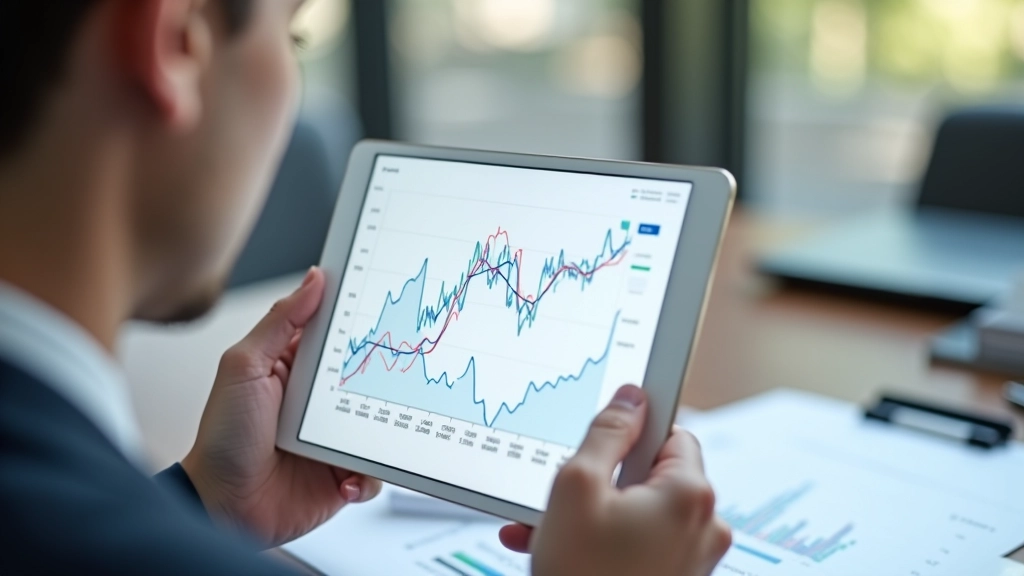
These two indices aren’t independent. They’re connected through the supply chain. When WPI rises, you’d expect CPI to follow — but not always in the same proportion or timeline.
Here’s the thing: retailers don’t immediately pass on all wholesale price increases. They might absorb some cost, negotiate better terms with suppliers, or reduce profit margins temporarily. This is why WPI can spike while CPI remains moderate.
Conversely, if wholesale prices fall but retailers have already bought at higher prices, CPI might stay elevated while WPI drops. The timing and magnitude of transmission from wholesale to retail depends on market competition, inventory levels, and business strategies.
For policymakers, tracking both indices provides a complete picture. If WPI is high but CPI is stable, inflation might still be contained at the consumer level. If both are rising, it’s a serious concern requiring action.

CPI and WPI aren’t competing measures — they’re complementary. CPI tells you what’s happening to your wallet right now. It’s what you feel when you pay bills, buy groceries, or fill your tank. WPI gives you a preview of what’s coming down the pipeline.
Understanding both helps you make smarter decisions. If WPI is climbing but hasn’t hit CPI yet, you’ve got a window to adjust. If both are rising together, inflation is spreading through the entire economy. If WPI falls while CPI stays high, there’s a pricing power issue at the retail level.
The key insight? Don’t watch just one. They tell different stories, and together they paint the real inflation picture. Whether you’re an investor, a business owner, or someone concerned about household expenses, these indices matter more than you might think.
Explore how CPI is calculated step-by-step, or learn about practical tools for tracking price changes yourself.

This article is for educational and informational purposes only. It explains the concepts and mechanics of CPI and WPI based on standard economic principles. The information provided isn’t financial advice, investment guidance, or a recommendation to take any particular action. Economic conditions, policy changes, and inflation dynamics vary by region and over time. For specific investment decisions, financial planning, or policy guidance tailored to your circumstances, consult with qualified financial advisors, economists, or relevant government resources. Past inflation trends don’t guarantee future movements.