
What Is the Consumer Price Index and Why Does It Matter
Understanding how CPI measures inflation and why economists, policymakers, and everyday people should care about it

Why CPI Matters to Your Wallet
The Consumer Price Index — or CPI — is one of those economic terms you’ll hear a lot, but it’s actually pretty straightforward. It’s basically a report card for inflation. Every month, statisticians collect data on what people spend money on — groceries, rent, electricity, gas, clothing — and track whether prices are going up, down, or staying flat. The CPI tells the story of how much more (or less) your money is worth compared to last month or last year.
Here’s the thing: CPI isn’t just some abstract number economists debate over coffee. It directly affects your life. Central banks use it to decide interest rates. Your salary negotiations might reference it. Retirees on fixed incomes watch it closely. Understanding CPI helps you see the bigger economic picture and make smarter financial decisions.

The Basics: What Exactly Is CPI?
The Consumer Price Index is a measure of the average change in prices paid by consumers for goods and services over time. Think of it as a weighted basket of everyday items — groceries, utilities, transportation, healthcare, entertainment. Statisticians track what these items cost month after month, calculate the average changes, and publish a single number that represents overall price movement.
In India, the Reserve Bank of India (RBI) publishes the CPI, which combines data from urban and rural areas across the country. The most commonly cited figure is the CPI for All-India, which includes all consumer price changes. You’ll often hear it expressed as a percentage — something like “CPI rose 5.2% year-over-year.” That percentage tells you how much prices have increased (or occasionally decreased) compared to the same month the previous year.
What makes CPI useful is that it’s not just random tracking. The basket of goods and services is carefully chosen to represent what actual households actually buy. It’s weighted by importance too — so if housing makes up 30% of typical household spending, housing prices get more weight in the overall calculation than, say, entertainment.


How Is CPI Actually Calculated?
The calculation process involves several steps, and it’s more precise than you might expect. First, data collectors visit thousands of retail outlets — shops, supermarkets, fuel stations, pharmacies — and record the actual prices of specific items. They’re not just grabbing random prices; they’re tracking consistent products month after month. The same loaf of bread, the same brand of cooking oil, the same size of electricity connection.
Once they’ve collected prices from across urban and rural areas, statisticians calculate the average price change for each category. These categories include food and beverages, clothing, housing, health, transportation, education, and miscellaneous items. Then they apply weights based on how much households typically spend on each category. A household might spend 40% of income on food, 15% on housing, 10% on transportation — these weights determine how much each category influences the final CPI number.
The final CPI is published monthly, usually in the first week of the following month. So the January CPI would include data collected in January and gets released in early February. This regular, systematic approach is what makes CPI reliable for tracking inflation patterns over time.
Why CPI Matters — For Everyone
Central Banks & Interest Rates
The RBI watches CPI closely. If inflation’s running too high, they’ll raise interest rates to cool things down. If it’s too low, they might cut rates. These decisions affect mortgage rates, savings account returns, and loan costs for everyone.
Wage Negotiations & Salary Reviews
When you’re negotiating a raise, CPI is your friend. If CPI shows inflation at 6%, you’ve got a solid argument for a salary increase that at least matches that rate. Many employment contracts include CPI-linked adjustments.
Investment Decisions
Investors use CPI to understand real returns. If your investment earns 8% but inflation is 6%, your real gain is only about 2%. CPI helps you see whether your money’s actually growing or just keeping pace with rising prices.
Personal Budget Planning
Understanding CPI helps you anticipate price changes and budget accordingly. When you see CPI trending upward, you know your grocery bills and utility costs are likely to increase, so you can adjust your spending plans.
CPI vs WPI: What’s the Difference?
You’ll sometimes hear about the Wholesale Price Index (WPI) alongside CPI, and they’re related but different. The CPI measures prices at the retail level — what you pay at the shop. The WPI measures prices at the wholesale level — what businesses pay before items reach stores.
Think of it this way: a factory sells steel to a manufacturer at the WPI price. The manufacturer makes a product and sells it to a retailer at a different price. The retailer sells it to you at the CPI price. WPI tends to lead CPI because wholesale price changes usually show up at retail a few months later. If WPI is rising, you can expect retail prices to follow. This makes WPI useful for predicting future inflation.
Quick fact: In India, CPI has become the primary measure for monetary policy, while WPI provides important context for understanding price pressures throughout the supply chain.
How to Track Price Changes Yourself
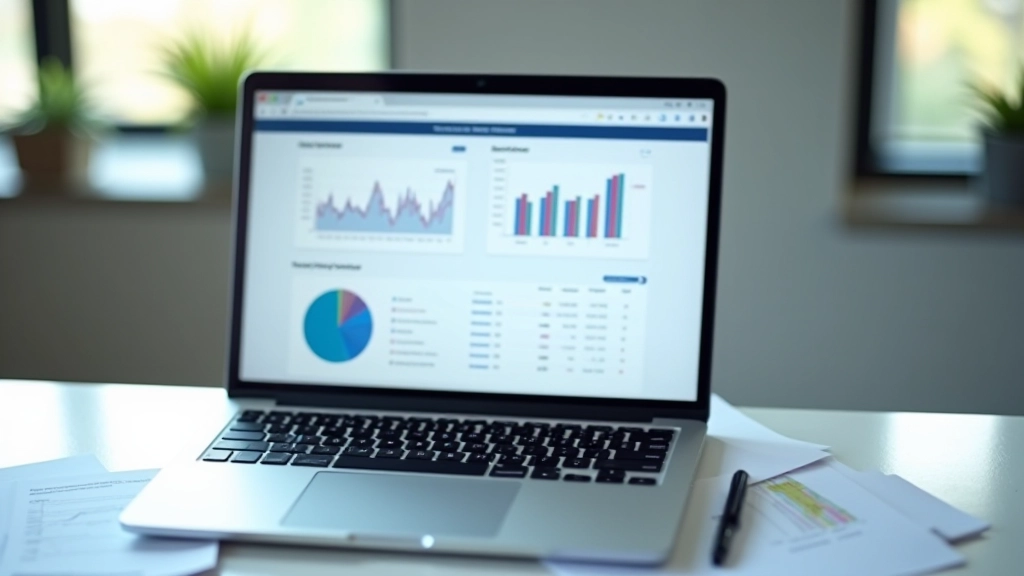
You don’t need to wait for the RBI to publish CPI data to understand inflation. You can track price changes yourself with simple methods:
Keep a Price Journal
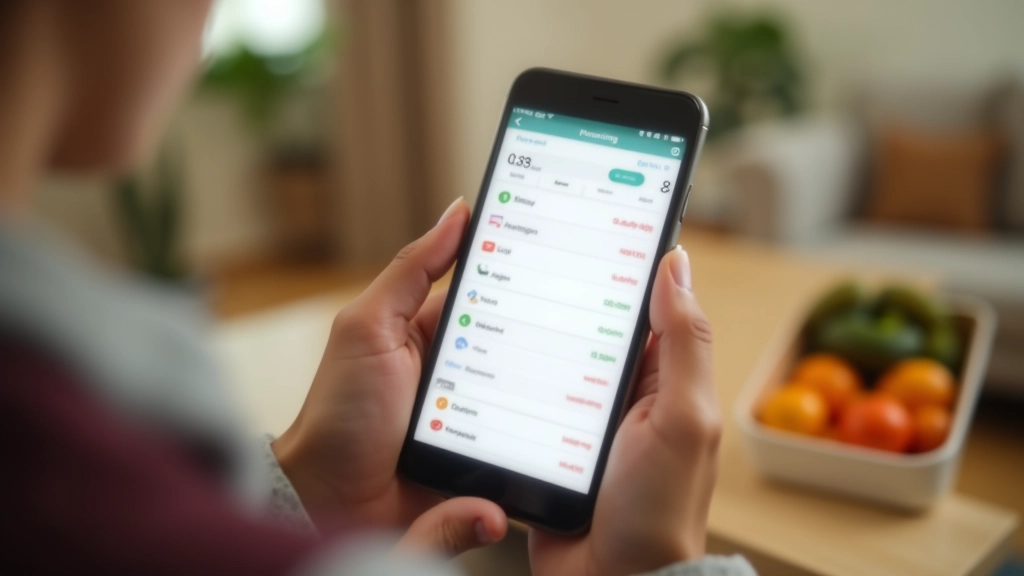
Record the prices of items you buy regularly — milk, bread, petrol, electricity bills. Check prices monthly at the same shops. After 3-6 months, you’ll see clear patterns of what’s getting more expensive and what isn’t.
Check Official CPI Data
The RBI publishes CPI on its website every month. You can see the exact numbers, compare month-over-month changes, and look at trends over years. The data’s broken down by category too — food, housing, transport — so you can see where prices are rising fastest.
Compare Your Experience with National Data
Your personal inflation might differ from the national CPI. If you don’t drive, rising petrol prices won’t affect you much. If you rent, housing costs matter more than if you own. Use national CPI as a baseline but adjust for your actual spending patterns.
The Bottom Line
The Consumer Price Index isn’t a mysterious economic tool reserved for PhD economists. It’s a practical measure of how prices are changing across the goods and services you actually use. Understanding CPI helps you make better financial decisions — whether that’s negotiating a salary, planning your budget, or simply understanding the economic news you’re hearing.
When you see that CPI has risen 5% year-over-year, you now know that’s measuring actual prices people pay in shops, calculated systematically across thousands of products and locations. You understand why central banks care about it, why businesses use it, and how it affects your wallet. That’s real financial literacy.
Keep an eye on CPI trends. Notice when prices jump. Track your own spending. The more you understand inflation, the better equipped you’ll be to protect your money’s purchasing power.
Related Articles


Educational Disclaimer
This article is provided for educational and informational purposes only. It’s designed to help you understand the Consumer Price Index and how inflation measurement works. The information presented reflects general economic concepts and publicly available data from sources like the Reserve Bank of India.
This content is not financial advice, investment guidance, or economic policy recommendation. Individual circumstances vary significantly — what applies to one household may not apply to another. Economic data changes frequently, and CPI methodology can be updated by government agencies. For specific financial decisions related to your personal situation, we encourage you to consult with qualified financial advisors, economists, or appropriate professionals. The authors and publishers are not responsible for any financial decisions made based on this educational material.